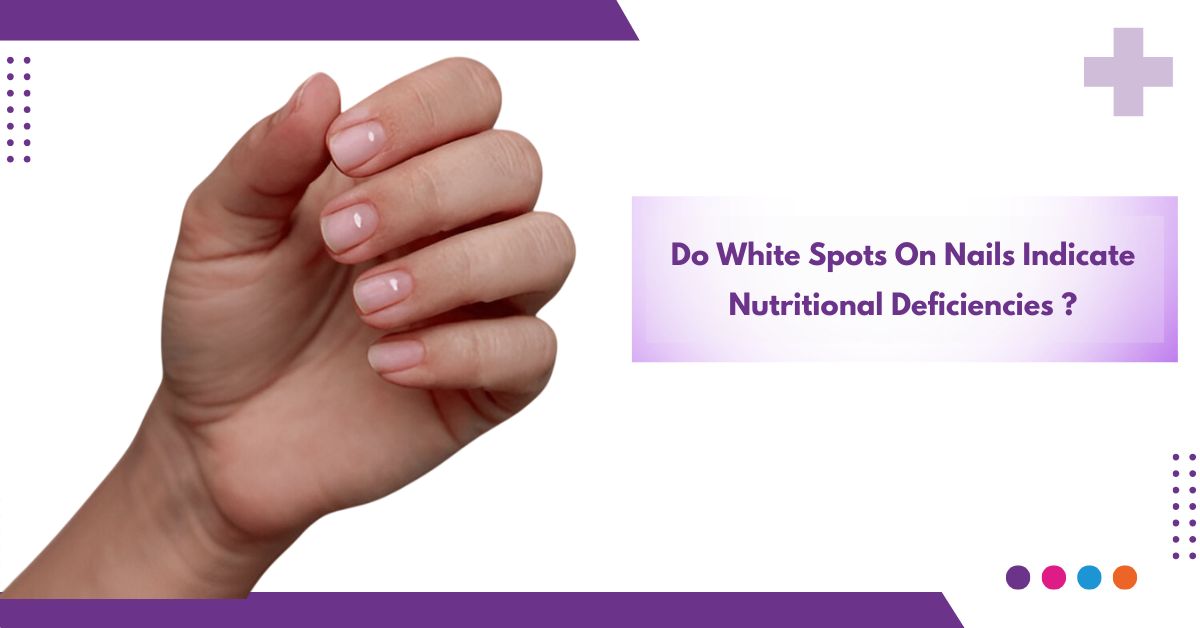
Debunking the Myth: White Spots on Nails & Vitamin Deficiency
Noticing white spots on your nails can be a little alarming. Many of us have been there, gazing at those tiny white marks and immediately jumping to conclusions, often asking: "Are these signs of a White Spots On Nails Vitamin Deficiency?" It’s a common misconception, deeply ingrained in popular belief, that these spots automatically signal a lack of essential nutrients like calcium or zinc. While our nails can indeed offer clues about our overall health, the story behind those white spots is often far simpler and less concerning than many assume. In this comprehensive guide, we'll delve into the truth about white spots on nails, medically known as leukonychia. We'll explore why the vitamin deficiency link is largely a myth, uncover the actual common causes, and provide actionable insights into maintaining strong, healthy nails. Get ready to put those worries to rest and learn what your nails are *really* trying to tell you!The Truth About White Spots On Nails & Vitamin Deficiency
The widespread belief that white spots on nails are a direct indicator of a vitamin or mineral deficiency, particularly calcium or zinc, is one of the most persistent health myths. While it's true that severe nutritional deficiencies can sometimes impact nail health more broadly (leading to brittleness, ridges, or spoon-shaped nails), isolated white spots, or leukonychia, are rarely the primary symptom. According to medical experts, it’s quite uncommon for someone experiencing leukonychia to be significantly deficient in these specific vitamins or minerals. If you’re wondering, "Is that truly due to a vitamin deficit?" the answer, in most cases, is a resounding no. This isn't to say nutrition plays no role in overall nail health, but rather that these particular spots usually have a different, more benign origin.Leukonychia: Understanding the Real Culprits
Leukonychia is the medical term for white discolouration of the nails, which can appear as small dots, larger lines, or even affect the entire nail plate. It's an incredibly common occurrence, affecting most people at some point in their lives. So, if it's not vitamin deficiency, what *is* typically causing these spots?Minor Trauma to the Nail Matrix
By far, the most frequent cause of white spots on nails is a minor injury to the nail matrix – the hidden part of your nail bed where nail growth originates. Think about it: our hands are constantly in motion, bumping into things, and experiencing everyday wear and tear.Examples of such minor traumas include:
- Accidentally knocking your finger against a hard surface.
- Vigorous or aggressive manicures, particularly when pushing back or cutting cuticles too harshly.
- Nail biting or picking at your nails.
- Even pressure from wearing tight shoes can cause trauma to toenails.
Other Potential Causes of Leukonychia
While trauma is the leading cause, it's important to acknowledge other potential factors that can contribute to white spots on your nails:- Allergic Reactions: Sometimes, an allergic reaction to nail polish, hardeners, acrylic nails, or even specific nail glues can manifest as white spots or streaks. If you notice spots appearing after using a new nail product, it might be worth considering.
- Mild Infections: Fungal infections (onychomycosis) can sometimes present with white patches or spots, particularly on the surface of the nail. These often come with other symptoms like brittleness, thickening, or a change in nail texture. For a deeper dive into the common causes and types of leukonychia, including infections, you can read more in our article: Leukonychia Explained: Common Causes of White Spots on Nails.
- Certain Medications or Chemical Exposure: In some cases, specific medications (like chemotherapy drugs) or exposure to harsh chemicals can affect nail health, leading to discolouration.
- Systemic Health Conditions (Rare): While extremely rare for isolated white spots, certain underlying health conditions, such as kidney disease, liver disease, psoriasis, or even some heart conditions, can sometimes manifest with more widespread or distinct nail changes. However, these are typically accompanied by other, more significant symptoms, and isolated white spots are rarely the sole indicator.
- Stress: There's no direct scientific evidence linking stress directly to the formation of white spots on nails. However, chronic stress can impact overall body health, including nail growth and quality indirectly. It's more likely that stress might lead to nail-biting or picking, which then causes the trauma that results in white spots.
Debunking Specific Deficiency Myths: Calcium & Zinc
Let's specifically address the two most commonly cited deficiencies linked to white spots: calcium and zinc.Are White Spots on Nails a Sign of Calcium Deficiency?
The idea that white spots on fingernails indicate calcium deficiency is a pervasive myth. As discussed, this is generally not the case. Your nails, primarily made of keratin, are affected more by the health of the nail matrix than by your calcium levels in this specific presentation. If you are genuinely concerned about calcium deficiency, white spots on your nails are *not* the symptom to watch for. Real signs of calcium deficiency can include:- Muscle cramps and spasms
- Numbness and tingling in the hands and feet
- Fatigue
- Dry skin
- Brittle nails (but as a general fragility, not specific white spots)
- Weak bones (osteopenia or osteoporosis) over time
Can Zinc Deficiency Cause White Spots on Nails?
Similarly, while zinc is crucial for many bodily functions, including cell growth and immune health, white spots on nails are not a reliable or primary indicator of zinc deficiency. While severe zinc deficiency can indeed impact nail growth and overall appearance, it typically leads to more generalized nail plate abnormalities, not just isolated white spots. Actual symptoms of zinc deficiency are often more systemic and can include:- Impaired immune function (frequent colds)
- Hair loss
- Poor wound healing
- Loss of appetite
- Diarrhoea
- Skin lesions
When to Seek Professional Advice
In the vast majority of cases, those fleeting white spots on your nails are harmless and will simply grow out over time. However, there are instances when it’s wise to consult a healthcare professional:- If the white spots are accompanied by other symptoms, such as significant changes in nail shape, texture, colour, or persistent pain.
- If the white spots are widespread, affect multiple nails, or cover a large portion of the nail plate.
- If you suspect a fungal infection (brittleness, thickening, discolouration beyond just white spots).
- If you have other symptoms of a vitamin or mineral deficiency that go beyond just white spots.
- If you are generally concerned and want a definitive diagnosis.
Practical Tips for Healthy Nails
While you generally don't need to treat white spots caused by minor trauma (they’ll just grow out), you can adopt practices that promote overall nail health:- Gentle Nail Care: Be gentle during manicures. Avoid aggressive pushing or cutting of cuticles, as this can easily injure the nail matrix.
- Moisturize: Regularly moisturize your hands and nails to keep them hydrated and flexible, preventing brittleness.
- Protect Your Hands: Wear gloves when doing household chores, gardening, or working with harsh chemicals to protect your nails from trauma and exposure.
- Balanced Diet: While not a direct cure for white spots, a well-balanced diet rich in fruits, vegetables, lean proteins, and whole grains supports overall health, including the health of your nails.
- Avoid Harsh Chemicals: Limit exposure to strong nail products like harsh removers or formaldehyde-based hardeners if you suspect an allergic reaction.