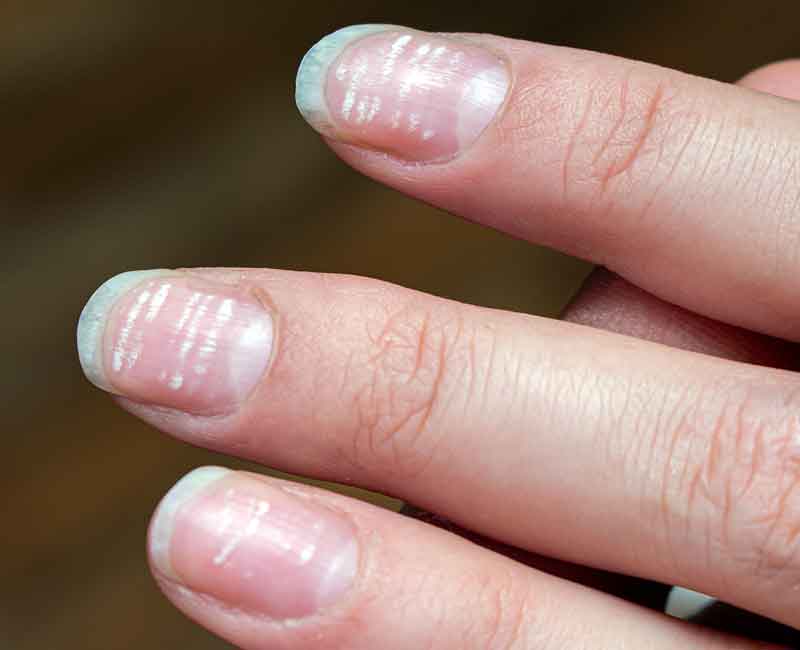
Leukonychia Explained: Common Causes of White Spots on Nails
Noticing small white spots or streaks on your fingernails can be a cause for mild concern, often prompting a quick internet search for answers. Many people immediately wonder if these marks, medically known as leukonychia, are a sign of a deeper health issue, particularly a nutritional deficiency. While it's a common misconception that white spots on nails vitamin deficiency is the primary culprit, the truth is often much simpler and less alarming. This comprehensive guide will delve into the various causes of leukonychia, separate fact from fiction, and help you understand what your nails might be telling you.
What Exactly Are White Spots on Nails (Leukonychia)?
Leukonychia is the medical term for white discoloration of the nail plate. It can manifest in several ways:
- Punctate Leukonychia: The most common form, appearing as small white dots.
- Transverse Leukonychia (Mees' Lines): White lines that run horizontally across the nail.
- Partial Leukonychia: Only a portion of the nail is white.
- Total Leukonychia: The entire nail plate appears white. This is rare and often associated with more significant underlying health conditions.
The appearance of these spots often stems from issues in the nail matrix, which is the area under the cuticle where new nail cells are produced. Because nails grow slowly (roughly 3-6 months for a fingernail to fully replace itself), an injury or event that occurred weeks or even months ago might only now be showing up as a visible spot on your nail. This delayed manifestation often leads to confusion about the actual cause.
Debunking the Myth: Are White Spots On Nails Really a Vitamin Deficiency?
For generations, the belief that white spots on nails vitamin deficiency is a direct link has been widely held. Specifically, calcium and zinc deficiencies are often cited as the culprits. However, modern medical understanding largely debunks this myth for the vast majority of cases.
While severe nutritional deficiencies can manifest in various ways, including changes in nail health, isolated white spots are rarely the sole or primary indicator of a significant vitamin or mineral shortage. For instance, true calcium or zinc deficiencies are often accompanied by a host of other more noticeable symptoms like muscle cramps, fatigue, or impaired immune function. If these deficiencies were severe enough to cause nail changes, they would likely be evident elsewhere in the body first.
So, while the question of white spots on nails vitamin deficiency persists, it's crucial to understand that in most instances, your diet is likely not the problem. This common misconception often leads to unnecessary worry and self-treatment with supplements that may not be needed. For a deeper dive into this topic, explore our related article: Debunking the Myth: White Spots on Nails & Vitamin Deficiency.
If you're genuinely concerned about a potential vitamin or mineral deficiency, the only reliable way to confirm it is through a blood test ordered by a healthcare professional, who can then advise on appropriate treatment or dietary adjustments. Relying solely on nail spots for diagnosis is not recommended.
Beyond Deficiencies: More Common Causes of Leukonychia
If not a vitamin deficiency, then what causes these pesky white spots? The truth is, several factors are far more common culprits than nutritional shortcomings.
Minor Trauma and Injury
This is, by far, the most frequent cause of white spots on nails. Even small, seemingly insignificant impacts to the nail matrix can disrupt cell formation, leading to white spots that appear later as the nail grows out. Think about:
- Bumping your finger on a door or desk.
- Aggressive manicures, including pushing back cuticles too forcefully or using nail files improperly.
- Nail biting or picking.
- Wearing ill-fitting shoes that put pressure on toenails.
Since these injuries often occur without much notice or are quickly forgotten, people rarely connect them to the white spots that appear weeks later.
Allergic Reactions
Your nails can react to various chemicals they come into contact with. Common allergens include:
- Nail polish or nail hardeners.
- Acrylic or gel nail products.
- Adhesives used for fake nails.
- Chemicals in detergents or cleaning products (especially without gloves).
An allergic reaction can manifest as white spots, discoloration, or even brittleness.
Fungal Infections (Onychomycosis)
While often associated with yellowing or thickening of the nail, some fungal infections (like superficial white onychomycosis) can begin with small white patches on the nail surface. These infections thrive in warm, moist environments and can be picked up in public showers, swimming pools, or shared nail tools. They typically start as a small spot and can spread if left untreated, potentially leading to a crumbly texture or deeper discoloration.
Certain Medications or Chemical Exposure
In some cases, white spots or lines can be a side effect of certain medications, such as chemotherapy drugs, or exposure to heavy metals like lead or arsenic. These are typically more widespread and distinct than casual trauma-induced spots.
Underlying Health Conditions
Though less common for isolated spots, certain systemic health issues can sometimes manifest as leukonychia, particularly total or transverse forms. These include:
- Psoriasis or eczema affecting the nail.
- Kidney disease.
- Liver disease.
- Heart failure.
- Diabetes.
- Certain genetic disorders.
It's important to remember that in these cases, white spots would usually be accompanied by other, more prominent symptoms of the underlying condition.
Stress (Indirect Link)
While there's no direct scientific evidence linking stress as a physiological cause of white spots on nails, high stress levels can indirectly contribute. Stress might lead to habits like nail biting or picking, which, as we've established, are direct forms of trauma to the nail matrix. Furthermore, chronic stress can impact overall body health, potentially affecting nail growth and quality over time.
When to Consult a Doctor About White Spots on Nails
For most people, white spots on nails are harmless, temporary, and will grow out as the nail regenerates. However, there are instances when seeking medical advice is prudent:
- Persistent or Worsening Spots: If the spots don't grow out, multiply rapidly, or cover a significant portion of the nail.
- Accompanying Symptoms: If the white spots are accompanied by other changes like nail thickening, crumbling, yellowing, pain, redness, or swelling around the nail bed.
- Total Leukonychia: If all or most of your nails turn completely white.
- Systemic Symptoms: If you experience other unexplained symptoms such as fatigue, muscle cramps, or widespread skin issues alongside the nail changes.
- Concern About Underlying Health: If you have existing health conditions (e.g., kidney disease, psoriasis) and notice new or worsening nail changes.
A doctor can accurately diagnose the cause through a physical examination, potentially a nail clipping analysis (for fungal infections), or blood tests if an underlying deficiency or health condition is suspected. Remember, self-diagnosis and self-treatment can be misleading and delay proper care if an underlying issue exists. For further guidance on when to seek professional advice, refer to our article: White Spots on Nails: When to Worry & What to Do Next.
Practical Tips for Healthy Nails
Regardless of the cause of leukonychia, maintaining good nail health is always beneficial:
- Protect Your Nails: Wear gloves when cleaning, gardening, or performing tasks that involve harsh chemicals or heavy-duty work.
- Gentle Nail Care: Be gentle when pushing back cuticles, and avoid aggressive filing or picking at your nails.
- Moisturize: Regularly apply hand cream or cuticle oil to keep nails and surrounding skin hydrated.
- Trim Regularly: Keep nails at a manageable length to reduce the risk of injury.
- Balanced Diet: While not a direct cure for existing white spots, a diet rich in vitamins, minerals, and protein supports overall nail growth and strength. Ensure adequate intake of biotin, iron, and protein.
- Avoid Harsh Chemicals: Limit exposure to strong nail polishes, removers with acetone, and other chemicals that can weaken or damage nails.
Conclusion
The appearance of white spots on your nails, or leukonychia, is a very common occurrence that is usually harmless and temporary. While the popular belief of a white spots on nails vitamin deficiency link persists, it's far more likely that these spots are a result of minor trauma to the nail, allergic reactions, or occasionally, a fungal infection. By understanding the common causes and recognizing when to seek professional medical advice, you can address your concerns effectively and maintain strong, healthy nails.