White Spots on Nails: When to Worry & What to Do Next
Noticing white spots on your nails can be a perplexing experience. Your immediate thoughts might jump to various health concerns, with one common question at the forefront: "Are these white spots a sign of a vitamin deficiency?" While the idea of a simple nutritional shortfall causing these marks is a pervasive belief, the truth about white spots on nails vitamin deficiency is more nuanced and often less alarming than you might think. Understanding the real causes behind these common nail marks is crucial, not just for your nail health, but for addressing any potential underlying health signals your body might be sending.
Unmasking Leukonychia: What Are Those White Spots, Really?
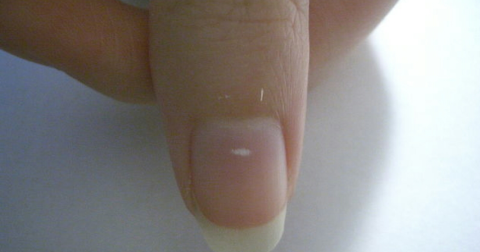
Medically known as leukonychia, white spots on nails are a very common phenomenon. They refer to a condition where the nail plate develops white discoloration. These spots can appear in various forms:
- Punctate Leukonychia: Small, tiny white dots or specks on the nail. This is the most common form.
- Partial Leukonychia: Larger white spots that cover only a portion of the nail.
- Total Leukonychia: The entire nail plate appears white. This is much rarer and can indicate more serious underlying conditions.
- Transverse Leukonychia (Mees' Lines): White bands or lines running across the nail.
The key to understanding leukonychia is realizing that these white areas are typically located within the nail plate itself, not just on the surface. As your nail grows out, these spots will eventually move with it and be clipped away, usually indicating a temporary issue rather than a permanent problem.
Debunking the Myth: White Spots and Vitamin Deficiencies
The notion that white spots on nails directly indicate a vitamin deficiency, particularly in calcium or zinc, is a widespread misconception. While it’s a natural assumption – after all, nails reflect our health – the scientific evidence supporting this direct link is surprisingly weak. For a deeper dive into this specific myth, you can explore our article: Debunking the Myth: White Spots on Nails & Vitamin Deficiency.
The Calcium and Zinc Connection: Fact or Fiction?
Many people immediately jump to calcium or zinc deficiency when they see white spots. While both of these minerals are vital for overall health, including strong nails, research indicates that it's actually quite rare for leukonychia to be the sole or primary symptom of such deficiencies. True calcium or zinc deficiencies typically manifest with a much broader range of symptoms, such as muscle cramps, numbness, brittle bones (in the case of calcium), or impaired immune function (for zinc deficiency), often before isolated white spots on nails appear.
If you're truly concerned about a vitamin or mineral deficiency, white spots on your nails alone are not a reliable indicator. The only definitive way to diagnose such a deficiency is through a blood test ordered by a doctor. Focusing solely on white spots as a deficiency symptom might distract from identifying the actual, more common causes.
Beyond Deficiencies: Common Causes of White Spots
If vitamin deficiencies are largely off the hook, what truly causes these pesky white spots? The answer often lies in more benign and common scenarios. For a comprehensive look at the various culprits, check out our guide: Leukonychia Explained: Common Causes of White Spots on Nails.
Minor Trauma and Injury
By far, the most frequent cause of white spots on nails is minor injury to the nail matrix – the hidden part of your nail bed where new nail cells are produced. This could be anything from:
- Bumping your finger or toe against a hard surface.
- Aggressive manicures, particularly vigorous pushing back of cuticles.
- Nail biting or picking.
- Even pressure from ill-fitting shoes.
The spots often appear weeks after the actual injury, as the nail grows out, making it difficult to recall the specific incident. This delay is precisely why many people fail to connect the spots with trauma and instead look for other explanations.
Allergic Reactions
Your nails can react to various products you apply to them. An allergic reaction to nail polish, hardeners, glues used for artificial nails, or even specific chemicals in soaps can manifest as white spots or streaks. If you notice spots appearing after using a new product, or if they are accompanied by irritation or brittleness, consider it a potential culprit.
Fungal Infections (Onychomycosis)
While often associated with yellowing or thickening of the nail, some fungal infections can initially appear as small, white spots on the nail surface (superficial white onychomycosis). These spots may eventually spread, become powdery, or lead to the nail crumbling. Fungal infections thrive in damp, moist environments, making public showers and swimming pools common sources.
Certain Medications or Chemical Exposures
In some cases, white spots or bands can be a side effect of certain medications, such as chemotherapy drugs. Exposure to harsh chemicals, particularly without proper hand protection, can also damage the nail matrix and lead to leukonychia.
Stress (An Indirect Link)
There's no direct scientific evidence to suggest that stress itself causes white spots on nails. However, stress can lead to habits like nail biting or picking at cuticles, which *do* cause trauma to the nail matrix. Prolonged stress can also indirectly impact overall health and immunity, potentially making one more susceptible to minor nail issues, though the direct link remains elusive.
When to Worry: Signs Your White Spots Might Need a Doctor's Attention
For the vast majority of people, white spots on nails are harmless and will eventually grow out. However, there are instances when these marks could signal something more significant, warranting a visit to your doctor:
- Persistent or Widespread Spots: If the spots cover a large portion of multiple nails, don't seem to grow out, or consistently reappear, it might be time for a professional evaluation.
- Accompanied by Other Symptoms: If the white spots appear alongside other concerning symptoms like pain, redness, swelling around the nail, changes in nail texture (thickening, crumbling), or if you experience systemic symptoms such as fatigue, muscle cramps, or persistent numbness, consult your doctor. These could indicate an infection, an allergic reaction, or in rare cases, an underlying health condition.
- Suspicion of Fungal Infection: If the white spots are accompanied by yellowing, thickening, or brittleness of the nail, particularly if it appears to be spreading, it could be a fungal infection requiring antifungal treatment.
- Changes in Nail Appearance: Any significant or sudden changes in the overall appearance of your nails (shape, color, texture) should always be discussed with a healthcare provider.
- Underlying Health Conditions: In very rare cases, extensive leukonychia can be associated with more serious systemic health issues like kidney disease, liver disease, heart failure, or psoriasis. Your doctor can help rule out these possibilities.
Your doctor can accurately diagnose the cause through a physical examination, and if necessary, recommend blood tests for vitamin or mineral deficiencies, or a nail scraping to check for fungal infections.
What to Do Next: Practical Tips for Healthy Nails
While there's no specific "treatment" for white spots caused by minor trauma (they simply grow out), adopting good nail care practices and maintaining overall health can prevent their recurrence and promote stronger, healthier nails.
Good Nail Care Practices
- Protect Your Nails: Wear gloves when doing household chores, gardening, or working with chemicals to minimize trauma and exposure.
- Moisturize Regularly: Keep your nails and cuticles hydrated with a good hand cream or cuticle oil to maintain flexibility and strength.
- Be Gentle: Avoid aggressive manicuring techniques. Push back cuticles gently rather than cutting them. Use a soft buffer instead of harsh filing.
- Avoid Nail Biting: If nail biting is a habit, consider strategies to break it, as this is a common source of nail trauma.
- Trim Nails Properly: Keep nails neatly trimmed, using a sharp clipper or file. Avoid tearing or ripping nails.
Nutritional Support (For Broader Health)
While direct white spots on nails vitamin deficiency link is weak, a balanced diet is undeniably essential for overall health, including the health and strength of your nails. Ensure your diet includes:
- Protein: Nails are primarily made of keratin, a protein. Lean meats, fish, eggs, and legumes are great sources.
- Biotin: Found in eggs, nuts, and whole grains, biotin is often linked to nail strength.
- Zinc: Meat, nuts, and seeds provide zinc, which is important for cell growth.
- Calcium: Dairy products, leafy greens, and fortified foods contribute to bone and overall health.
Rather than seeking specific supplements for white spots, focus on a varied, nutrient-rich diet to support your body's functions comprehensively.
When to Consult a Professional
If you're ever concerned about the appearance of your nails, especially if the white spots are persistent, widespread, accompanied by other symptoms, or if you suspect an infection or underlying health issue, don't hesitate to consult a dermatologist or your primary care physician. They can provide an accurate diagnosis and recommend the appropriate course of action, offering peace of mind and guiding you toward optimal nail health.